

Article: How Can You Achieve a Spotless Car Interior Without Paying for Professional Detailing?
How Can You Achieve a Spotless Car Interior Without Paying for Professional Detailing?
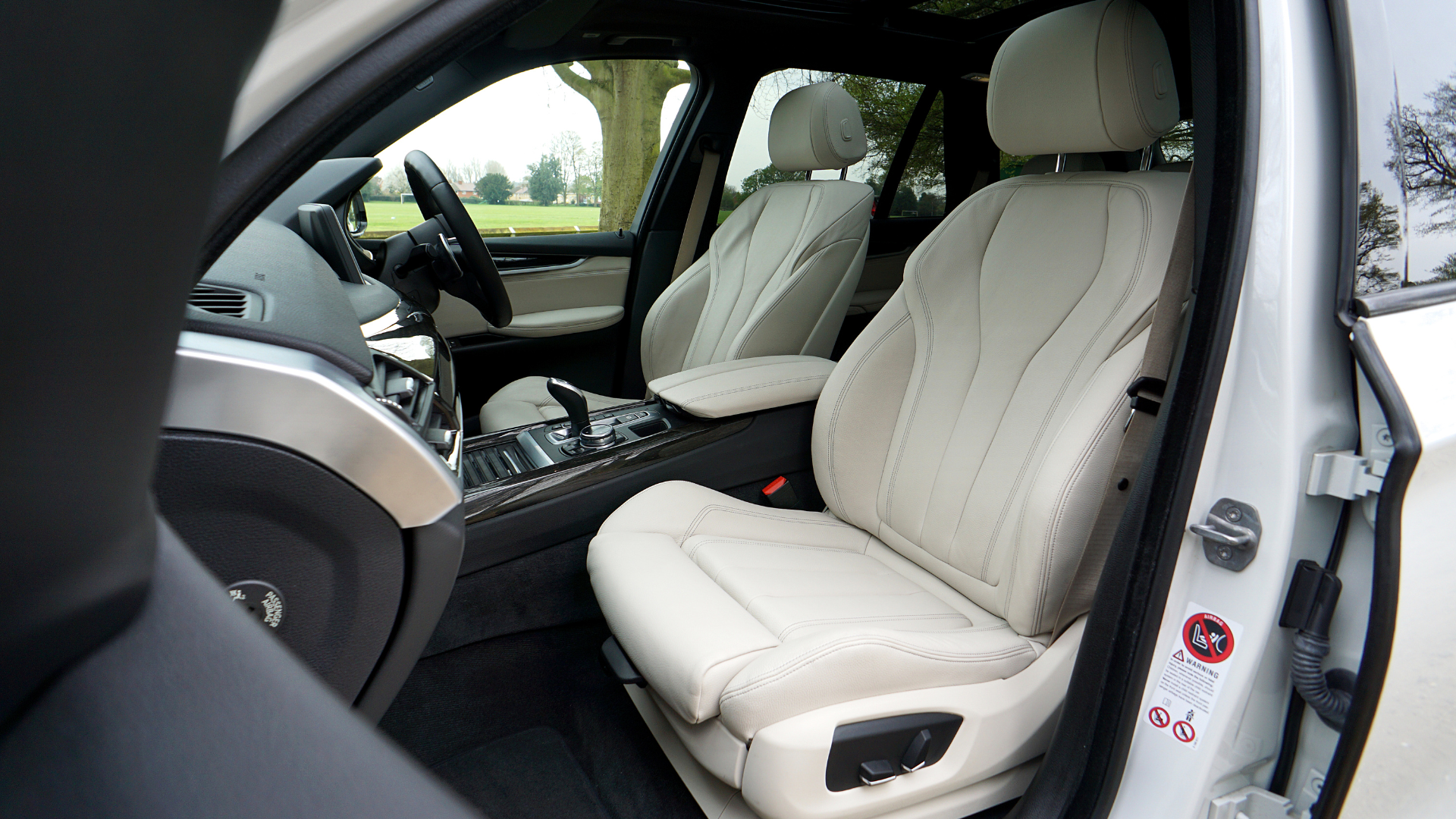
Although the exterior is the first thing people notice, the interior is where you actually spend most of your time. That is why its condition affects more than just the appearance of your car: it influences your comfort, the overall feeling of cleanliness, and even the quality of the air you breathe.
Over time, dust settles on the dashboard and centre console, sand becomes trapped in the carpets and between the seat rails, while marks on the steering wheel, gear lever, and door panels appear so gradually that we barely notice them. In most cases, a car interior does not look dirty because of one obvious stain, but because these small build-ups slowly take away the clean, well-maintained appearance it had when the car was new.
Many people believe that restoring that fresh appearance requires professional detailing. In reality, however, much of the final result depends on the method you use. With a little patience and the right tools, you can achieve surprisingly impressive results right on your driveway. The secret is not to use as many products as possible, but to understand why each step matters and how it contributes to the final result.

Start by Removing Dust and Loose Dirt
One of the most common mistakes people make is reaching straight for an interior cleaner and spraying it onto the dashboard or door panels. It seems like the logical first step, but in reality it only makes the cleaning process more difficult.
Dust is made up of extremely fine particles that settle on every surface inside the vehicle. If you wet those particles before removing them, they turn into a thin film that smears much more easily than it wipes away. Instead of removing the dirt, you simply spread it from one surface to another.
For that reason, the first step should always be removing loose dirt. Start by taking everything out of the car and, if possible, remove the floor mats as well. This gives you better access to every surface and makes it much easier to spot the areas that need extra attention.
For the dashboard, centre console, door panels, and any other lightly dusty surfaces, a quality microfiber cloth is all you need to remove most of the dirt without leaving lint or streaks behind. A dense microfiber towel such as DryPro Mini traps dust and debris deep within its fibres instead of pushing them across the surface. This makes cleaning more effective while helping reduce the risk of creating fine scratches on glossy trim.
At the same time, vacuum the entire interior. Do not stop at the carpets. Vacuum the seats, door pockets, the gaps between the seats and the centre console, as well as the seat rails. These areas collect surprising amounts of dust, sand, and crumbs. If that debris is left behind, it will inevitably end up back on the surfaces you are about to clean.
A compact vacuum with narrow attachments, such as AirForce is especially useful at this stage because it can reach areas that are difficult to access with a traditional vacuum cleaner.

Clean the Surfaces with an Interior Cleaner
A car's interior collects far more than dust. The steering wheel, gear lever, centre console, and door handles are touched every day, allowing grease, body oils, sweat, and other contaminants to build up over time. These cannot be removed effectively with water alone.
This is where a quality interior cleaner or all purpose cleaner becomes essential. A good cleaning solution is formulated to break down stubborn grime without damaging the materials commonly found inside a vehicle. The biggest advantage is versatility. A single product is often suitable for dashboards, door panels, plastic trim, vinyl, rubber, and even certain fabric surfaces, making the entire cleaning process quicker and more straightforward.
Cleaning solutions are also useful for areas that many car owners avoid because they worry about causing damage. The headliner is a good example. Over time, it can develop stains from dust, smoke, or repeated contact. When applied sparingly to a microfiber cloth, rather than directly onto the fabric, an interior cleaner can help lift these marks and restore a fresher appearance. The key is to work gently and avoid soaking the material, as excessive moisture can weaken the adhesive that holds the fabric in place.
There is no need to saturate the surface with cleaner. A light, even application is enough to loosen built up dirt. Allow the product to dwell briefly without letting it dry completely, then wipe the surface clean with a microfiber cloth before moving on to the next step.

Use Steam for a Deeper Clean
If there is one step that brings DIY car cleaning closest to the results of professional detailing, it is steam cleaning.
Many people think of steam simply as a way to sanitise surfaces, but its benefits go much further. When used after applying a cleaning solution, steam softens stubborn dirt, penetrates the texture of different materials, and lifts contaminants from areas that are difficult to clean with a microfiber cloth alone.
That is why these two steps work so well together. The cleaner begins to break down grease and grime, while the steam loosens and lifts it away without the need to scrub plastic trim or upholstery aggressively.
A steam cleaner like SteamPro, especially when equipped with multiple attachments, makes this process much more effective. The brush attachment is ideal for carpets and floor mats, helping lift dirt trapped deep within the fibres. A wider attachment works well on seats and other large surfaces, while the precision nozzles make it easy to clean air vents, the spaces around buttons and switches, seat rails, and other tight areas that are almost impossible to reach with a cloth.
Another major advantage of steam cleaning is that it can also be used to freshen and clean the vehicle's air vents. Over time, dust and debris accumulate inside the ventilation system and are recirculated every time the climate control is switched on. During warmer months, when any remaining moisture evaporates quickly, a steam cleaner can safely clean these hard to reach areas, helping improve cabin air quality and reduce unpleasant odours that develop over time.
This is one of the main reasons professionally detailed interiors look so impressive. It is not because detailers rely on miracle products. It is because they clean every corner of the cabin, including the areas that most people overlook.

Wipe Away the Loosened Dirt Immediately
Once the cleaning solution and steam have done their job, the loosened dirt needs to be removed completely from the surface.
A clean microfiber cloth is ideal for this step because it lifts away the dirt and leaves surfaces looking clean and streak free. Fold the cloth into several sections and rotate it regularly as you work so that you are always wiping with a clean side. This prevents you from spreading dirt back onto areas you have already cleaned.
You will quickly notice the difference. Plastic trim regains its natural finish instead of the overly glossy look left behind by many cleaning products, while every surface looks clean, fresh, and evenly finished.
Do Not Forget the Inside of the Windows
Few things ruin the look of a freshly cleaned interior more than streaky windows.
Over time, the inside of the glass develops a thin layer of dust, airborne residue, and oily film that becomes especially noticeable when driving into bright sunlight or at night with oncoming headlights.
Steam can be surprisingly effective here as well. When used carefully and wiped away immediately with a clean microfiber cloth, it can remove built up residue without leaving streaks behind, often eliminating the need for a dedicated glass cleaner. It is a simple finishing touch, but one that makes the entire cabin feel noticeably cleaner and brighter.

Check the Finishing Details
When you think you are done, take a few minutes to inspect the interior carefully.
Look around the gear lever, inside the cup holders and door pockets, along the seat rails, and around the air vents. These areas are easy to overlook during everyday use, yet they have a major impact on the overall appearance of the cabin.
The same applies to the floor mats. Once they have been cleaned and allowed to dry fully before being placed back inside the car, the entire interior will immediately look more polished and well maintained.
In many cases, the difference between a car that looks reasonably clean and one that appears freshly detailed has very little to do with the products used. It comes down to the care and attention given to these small finishing touches.
A Spotless Interior Is the Result of the Right Process, Not a Miracle Product
It is easy to believe that one product can completely transform a car's interior. In reality, the best results come from following the right process in the right order.
Removing loose dust and dirt prepares every surface for proper cleaning. A quality cleaning solution breaks down grime that water alone cannot remove. Steam reaches deep into textured materials and lifts dirt from areas that are difficult to clean by hand, while a microfiber cloth captures everything that has been brought to the surface.
The process is neither complicated nor limited to professional detailing shops. With a little patience and the right tools, you can achieve an interior at home that not only looks spotless but also has the fresh, clean feel of a new car. Once you experience the difference, keeping the interior in excellent condition becomes much easier because you are maintaining a clean cabin instead of trying to undo years of built up dirt.


Leave a comment
This site is protected by hCaptcha and the hCaptcha Privacy Policy and Terms of Service apply.